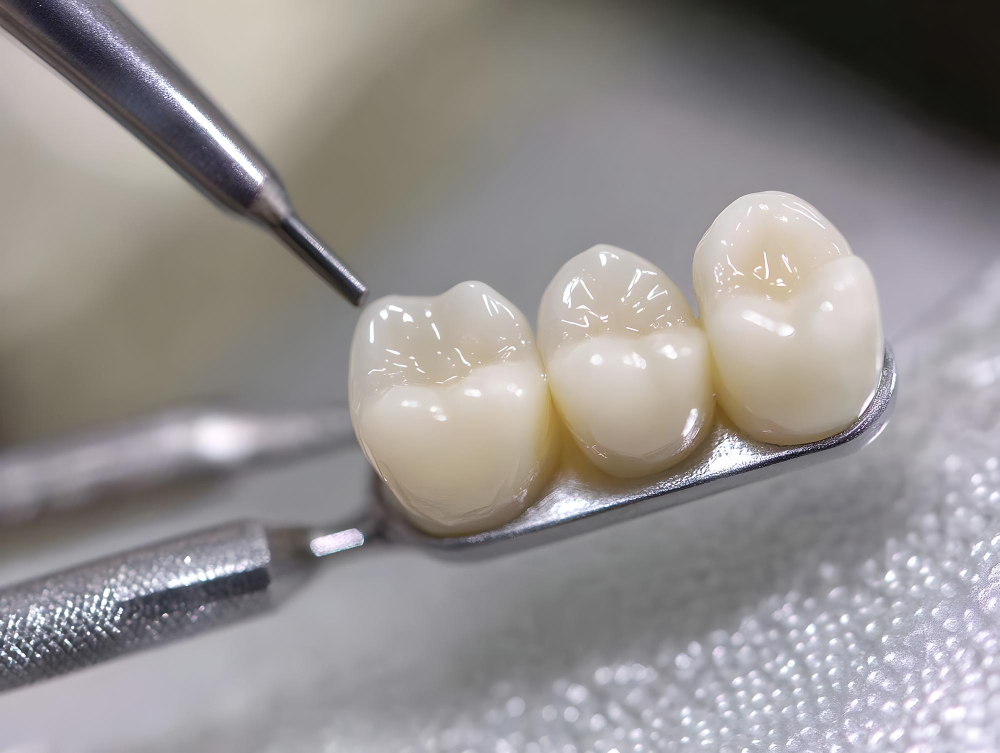
What Are Dental Crowns?
Dental crowns are covers placed over damaged or weak teeth. They help restore the tooth’s shape, size, and strength. Often, crowns also improve how a tooth looks. Many people need crowns after a root canal or when a tooth breaks. Understanding the types of dental crowns can help you make the best choice for your smile.
Why Are Dental Crowns Used?
There are several reasons dentists use crowns. For example, crowns can:
Because crowns serve many purposes, your dentist will suggest the best dental crown for your needs.
Types of Dental Crowns
There are several types of dental crowns. Each type has its own benefits and drawbacks. Let’s look at each option in detail.
Porcelain Crowns
Porcelain crowns are made entirely from porcelain. They look very natural and match the color of your teeth. For this reason, many people choose them for front teeth. However, porcelain crowns can chip more easily than metal crowns.
Ceramic Crowns
Ceramic crowns are similar to porcelain crowns. They are also tooth-colored and blend well with your smile. In addition, ceramic crowns are a good choice for people with metal allergies. However, they may not be as strong as some other options.
Metal Crowns
Metal crowns are made from gold, platinum, or base metal alloys. These crowns are very strong and last a long time. Although they do not look like natural teeth, they are often used for back teeth where they are less visible.
Porcelain-Fused-to-Metal (PFM) Crowns
PFM crowns combine metal and porcelain. The metal gives strength, while the porcelain matches your tooth color. However, sometimes the metal under the porcelain shows as a dark line at the gum.
Zirconia Crowns
Zirconia crowns are made from a strong ceramic material called zirconium dioxide. They are both strong and natural-looking. Because of their strength, they work well for both front and back teeth.
Resin Crowns
Resin crowns are made from a plastic-like material. They are less expensive than other crowns. However, they wear down faster and are more likely to break.
How to Choose the Best Dental Crown
Choosing the right crown depends on several factors. For instance, you should think about:
Because every mouth is different, your dentist will help you decide which dental crown option fits your needs best.
Maintenance and Care Tips for Dental Crowns
Proper care helps your crown last longer. Here are some easy tips:
With good care, most crowns can last many years. However, regular dental visits are important to check for problems early.
Summary
In summary, there are many types of dental crowns to choose from. Each type has its own pros and cons. While porcelain and ceramic crowns look natural, metal and zirconia crowns offer more strength. Because your needs are unique, talk to your dentist about the best dental crown for your teeth.
Consult your dentist Dr.Ritee Agarwal to find the best dental crown option for your needs.