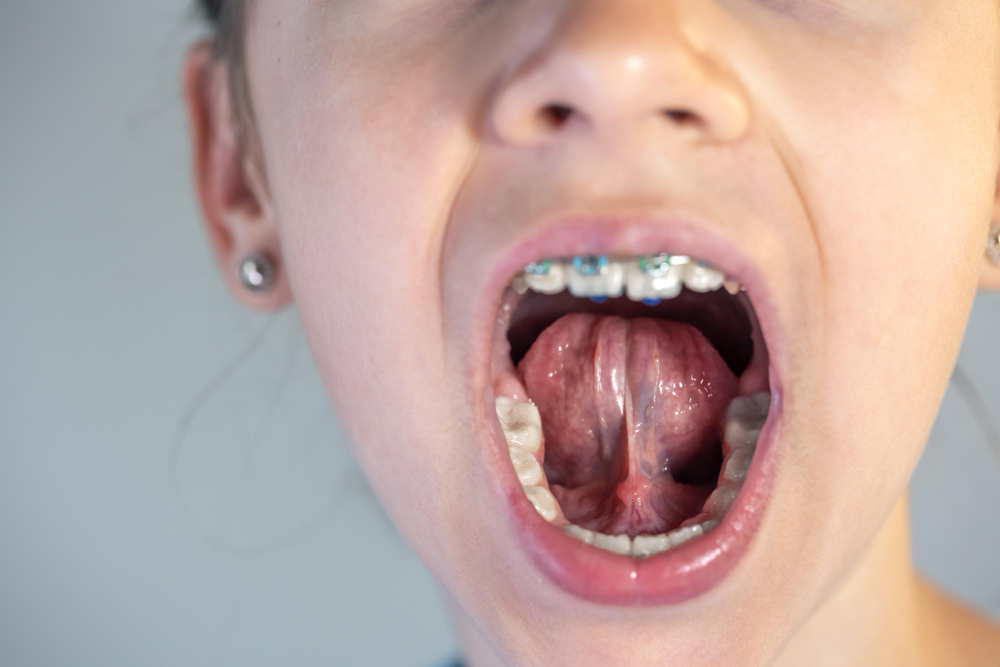
What Is Tongue Tie (Ankyloglossia)?
Tongue tie (ankyloglossia) is a condition present at birth. In this condition, a short or tight band of tissue connects the bottom of the tongue to the floor of the mouth. Because of this, the tongue cannot move freely. As a result, tongue tie can cause problems with speech and feeding. Many parents first notice tongue tie in infants, but it can affect children and adults too.
Common Symptoms
Not everyone with tongue tie has symptoms. However, some common signs include:
Sometimes, symptoms are mild. But in other cases, they can affect daily life.
Causes and Risk Factors
Tongue tie (ankyloglossia) happens when the tissue under the tongue, called the lingual frenulum, is too short or tight. Although the exact cause is not always known, it often runs in families. In addition, boys are more likely to have tongue tie than girls. Some studies suggest that genetic factors may play a role. However, more research is needed to understand all the causes.
How Tongue Tie Affects Speech
Because the tongue cannot move freely, some children may have trouble making certain sounds. For example, they may struggle with sounds like “t,” “d,” “l,” “r,” “s,” “z,” “th,” and “n.” Over time, this can lead to unclear speech. However, not all children with tongue tie develop speech problems. Early treatment can help prevent long-term issues. If you notice your child has trouble speaking, it is important to seek help.
Impact on Feeding (Infants, Children, Adults)
Tongue tie feeding issues can appear at any age. In infants, the tongue may not move well enough for proper breastfeeding. This can cause:
In older children, tongue tie can make it hard to chew or swallow certain foods. Adults may have trouble with oral hygiene or kissing. Because feeding is so important for growth, early diagnosis is key.
Diagnosis
Doctors or dentists can diagnose tongue tie (ankyloglossia) during a simple mouth exam. They will check how well the tongue moves and look for signs of a short or tight frenulum. Sometimes, a speech therapist or lactation consultant may help with the diagnosis. If you notice symptoms, it is best to seek a professional opinion. Early diagnosis can lead to better outcomes.
Treatment Options
Treatment for tongue tie depends on the severity of symptoms. In mild cases, no treatment may be needed. However, if feeding or speech is affected, options include:
Many families search for “tongue tie treatment near you” to find local specialists. Always discuss risks and benefits with your healthcare provider.
Prevention and Home Care
Currently, there is no known way to prevent tongue tie (ankyloglossia). However, early detection can help. At home, parents can:
Although home care can help, medical advice is important for proper treatment.
When to See a Dentist or Specialist
If you notice any of the following, it is time to see a dentist or specialist:
Early intervention can make a big difference in managing tongue tie. If your child is experiencing feeding or speech difficulties, don’t wait. At Dentohealers Dental Clinic, our specialists provide personalized evaluation and care to address tongue tie effectively. Consult us for expert guidance and support.