What Are Fluoride Treatments?
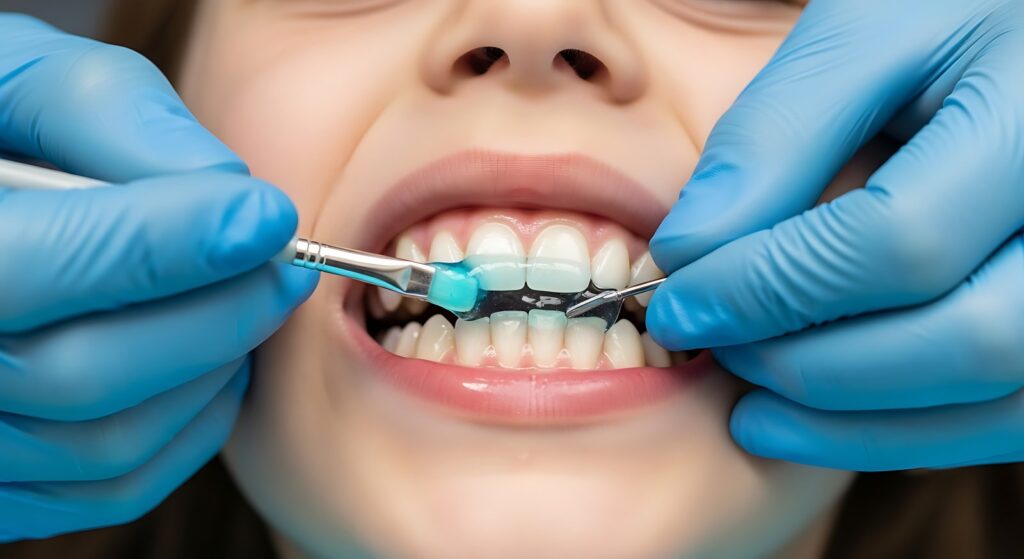
Fluoride treatments are special dental procedures that help protect your teeth. Dentists use a concentrated form of fluoride, which is a natural mineral. This treatment can come as a gel, foam, or varnish. Usually, your dentist applies it directly to your teeth during a visit. Because fluoride helps strengthen tooth enamel, it plays a key role in preventing tooth decay.
How Do Fluoride Treatments Work?
Fluoride works by making your tooth enamel stronger. When you eat or drink, acids can attack your teeth. Over time, this can cause cavities. However, fluoride helps repair the enamel and makes it more resistant to these acids. As a result, your teeth are less likely to develop cavities. In addition, fluoride can even reverse early signs of tooth decay.
Who Needs Fluoride Treatments?
Not everyone needs professional dental fluoride treatments, but many people can benefit. For example, children and teens often need them because their teeth are still developing. Adults with a higher risk of cavities may also benefit. You might need fluoride treatments if you:
Therefore, if you are unsure, ask your dentist who should get fluoride treatments based on your needs.
Benefits of Fluoride Treatments
Fluoride treatment benefits are well-known and supported by dental experts. Some of the main benefits include:
Because fluoride is safe and effective, both the CDC and WHO recommend its use for dental health.
Are There Any Risks?
Fluoride treatments are safe when given by a dental professional. However, too much fluoride can cause mild white spots on teeth, especially in young children. This is called dental fluorosis. But, this risk is very low with professional care. Most people do not have any side effects. Still, always follow your dentist’s advice and do not use extra fluoride products without guidance.
How to Access Fluoride Treatments
Most dental clinics offer professional fluoride treatments for adults and children. You can ask your dentist about them during your regular check-up. In many areas, community dental programs also provide fluoride treatments, especially for children. If you live in a region without fluoridated water, your dentist may suggest more frequent treatments. Therefore, check with local dental offices to learn about your options.
Prevention and Oral Health Tips
Besides fluoride treatments, there are other ways to keep your teeth healthy. For example:
By following these steps, you can help prevent tooth decay and keep your smile bright.
In summary, fluoride treatments are a safe and effective way to protect your teeth. Consult your dentist at Dentohealers Dental Clinic to find out if fluoride treatments are right for you.