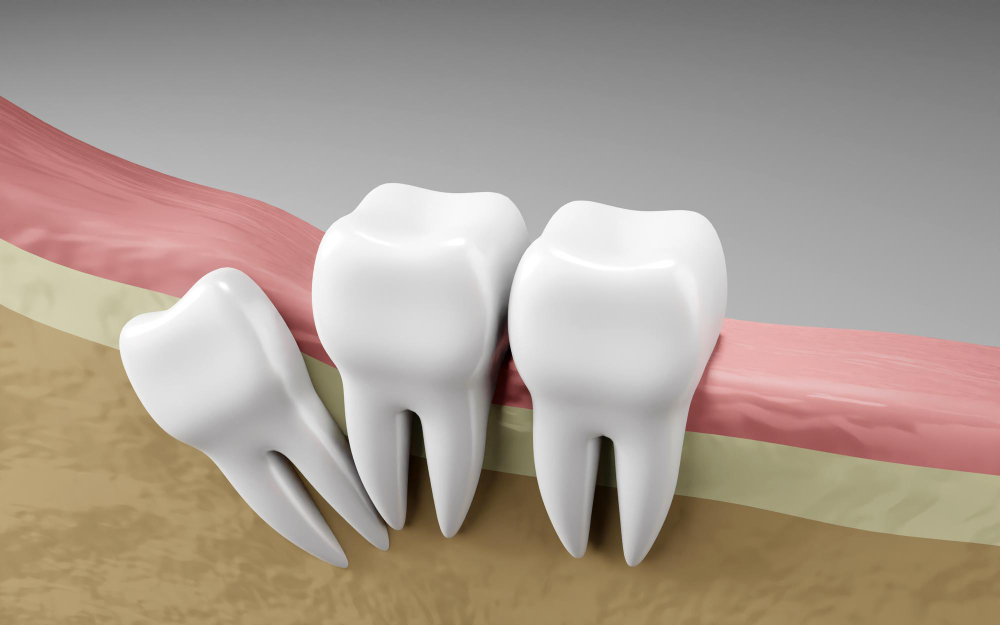
What Is a Wisdom Tooth?
Many people have heard about wisdom teeth, but not everyone knows what they are. A wisdom tooth is the last set of molars that grows at the back of your mouth. Usually, these teeth appear between ages 17 and 25. Because they come in later, there is often not enough space for them. As a result, wisdom teeth can cause problems for some people. In many cases, dentists call these teeth “third molars.”
Common Symptoms of Wisdom Tooth Problems
Sometimes, wisdom teeth grow without causing any trouble. However, they can also lead to pain or other issues. Here are some common wisdom tooth symptoms:
For example, if you notice these signs, your wisdom tooth may be impacted or infected. Therefore, it is important to pay attention to these symptoms.
Causes and Risk Factors
Wisdom tooth problems happen for several reasons. Most often, the mouth does not have enough space for these new teeth. As a result, the wisdom tooth may grow at an angle or get stuck under the gum. This is called an “impacted” wisdom tooth. Other risk factors include:
Additionally, crowded teeth can make it harder for wisdom teeth to come in straight.
How Wisdom Teeth Are Diagnosed
Dentists use several methods to check for wisdom tooth problems. First, they will ask about your symptoms. Next, they will look inside your mouth. Often, they use dental X-rays to see the position of your wisdom teeth. X-rays help dentists find out if a wisdom tooth is impacted or causing damage to nearby teeth. Because early diagnosis can prevent bigger problems, regular dental check-ups are important.
Treatment Options for Wisdom Tooth Issues
Not all wisdom teeth need to be removed. However, if you have pain, infection, or crowding, your dentist may suggest wisdom tooth removal. Treatment options include:
For example, if your wisdom tooth is impacted, removal is often the best choice. According to the American Dental Association, wisdom tooth removal is a common and safe procedure. Recovery usually takes a few days. But, following your dentist’s advice can help you heal faster.
Prevention and Oral Care Tips
While you cannot always prevent wisdom tooth problems, good oral care can help. Here are some tips:
In addition, eating a healthy diet supports strong teeth and gums. Early care can reduce the risk of wisdom tooth pain and infection.
When to See a Dentist
Sometimes, wisdom tooth symptoms go away on their own. However, you should see a dentist if you have:
Because untreated wisdom tooth problems can lead to bigger issues, early care is best. If you live in your local area, look for wisdom tooth care in your city for expert help.
In summary, wisdom teeth are common but can cause problems for some people. If you notice pain or other symptoms, do not wait. Consult a dentist Dr.Ritee Agarwal for personalized advice about your wisdom teeth.