Introduction
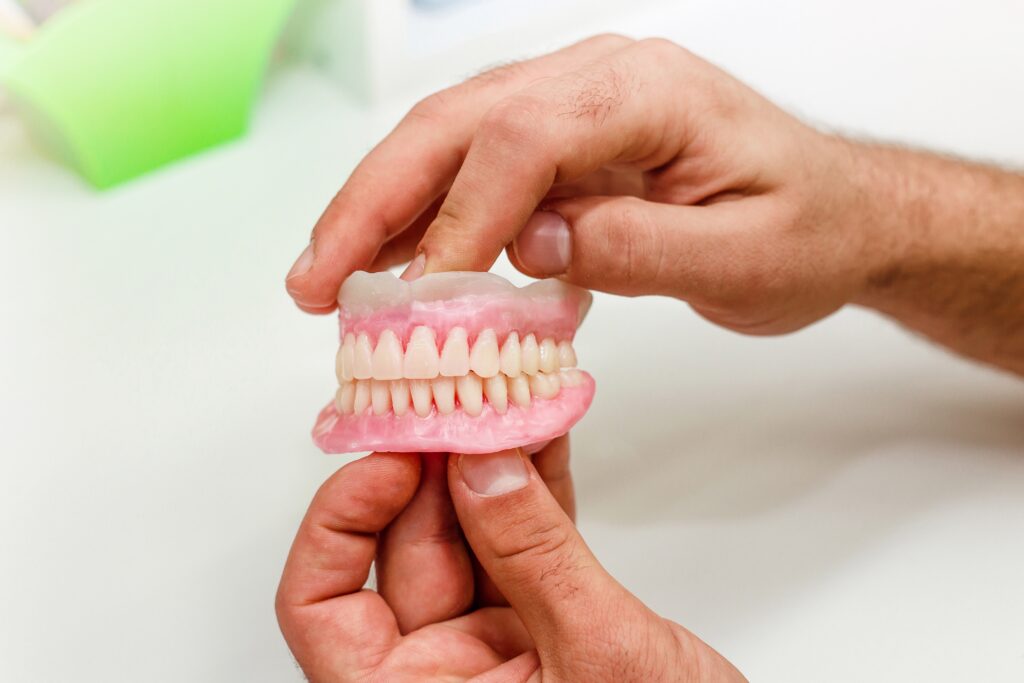
Complete dentures are removable devices that replace all missing teeth in your upper or lower jaw. They help restore your smile and make it easier to eat and speak. For many people, complete dentures, also called full mouth dentures, are important for daily comfort and confidence. If you have lost all your teeth, these dentures can improve your quality of life. According to the World Health Organization (WHO), tooth loss is common as we age, but dentures offer a simple solution.
Symptoms and Signs Indicating the Need for Complete Dentures
Sometimes, it is not easy to know when you need complete dentures. However, certain signs can help you decide. For example, if you have trouble chewing or speaking, you may need dentures. Additionally, if you notice these symptoms, it is wise to see your dentist:
Moreover, if you feel embarrassed to smile, dentures might help restore your confidence.
Causes of Tooth Loss Leading to Complete Dentures
Many factors can lead to tooth loss and the need for complete dentures. For instance, gum disease is a leading cause. In addition, tooth decay and injury can also result in lost teeth. Some common causes include:
Because these causes are common, regular dental checkups are important for prevention.
Diagnosis: How Dentists Determine the Need for Complete Dentures
First, your dentist will examine your mouth and gums. They may take X-rays to check your jawbone and any remaining teeth. Next, your dentist will ask about your eating and speaking problems. If you have lost most or all teeth, they may suggest complete dentures. Sometimes, dentists use dental molds to plan your new dentures. This careful process ensures your dentures fit well and feel comfortable.
Treatment: The Process of Getting Complete Dentures
Getting complete dentures usually involves several steps. Although the process may seem long, each step is important for a good fit. Here is what you can expect:
After you receive your dentures, your dentist will show you how to use and care for them. Sometimes, it takes a few visits to get the fit just right.
Care and Maintenance Tips for Complete Dentures
Proper care helps your complete dentures last longer and keeps your mouth healthy. For best results, follow these denture care tips:
Furthermore, if your dentures feel loose or cause pain, contact your dentist for an adjustment. For more advice, ask your dentist about how to clean complete dentures safely.
Benefits and Potential Challenges of Complete Dentures
Complete dentures offer many benefits. For example, they restore your smile and help you eat a wider range of foods. In addition, they support your facial muscles and improve speech. However, there can be some challenges:
Still, most people adjust well with practice and support from their dental team.
Prevention: How to Maintain Oral Health to Delay Denture Need
While complete dentures are helpful, it is better to keep your natural teeth as long as possible. To delay the need for dentures, follow these steps:
By caring for your teeth and gums, you can help prevent tooth loss and keep your smile healthy for years.
In summary, complete dentures can restore your smile and improve your quality of life. If you think you may need full mouth dentures, consult a dental specialist for personalized advice on complete dentures. Missing teeth affecting your smile and confidence?
Restore comfort and function with complete dentures by Dr. Ritee Agarwal at Dentohealers Dental Clinic.
Book your consultation today and smile with confidence again.