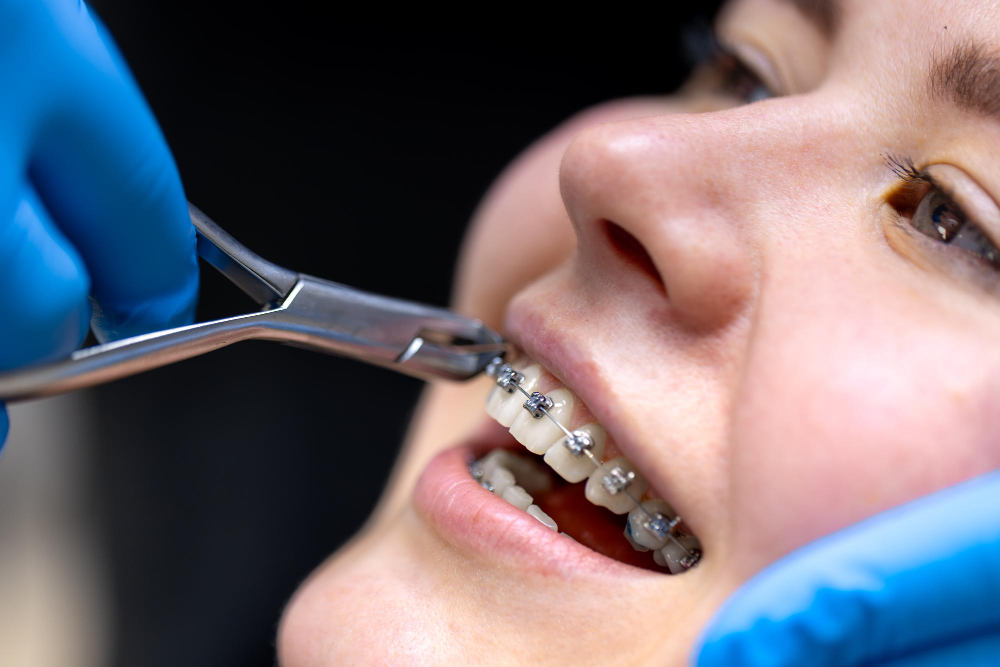
Introduction: Understanding Braces and Their Purpose
Many people wonder about the right time to get braces. Braces help straighten teeth and fix bite problems. They use gentle pressure to move teeth into better positions. As a result, you can enjoy a healthier smile and easier cleaning. Braces are common for children, teens, and even adults. But when is the best time for orthodontic treatment? This guide will help you understand the signs, timing, and benefits of braces for all ages.
Signs and Symptoms Indicating the Need for Braces
Sometimes, it is clear when someone needs braces. However, some signs are easy to miss. Look for these symptoms:
If you notice any of these, it may be time to see an orthodontist. Early signs can help you plan the right age for braces.
Ideal Age and Timing for Getting Braces
Many parents ask about the best time for orthodontic treatment. According to the American Association of Orthodontists, children should have their first check-up by age 7. At this age, an orthodontist can spot problems early. However, most children get braces between ages 9 and 14. This is when most adult teeth have come in, and the mouth is still growing. For teens, this is often the right time to get braces. Adults can get braces too, but treatment may take longer. Still, it is never too late to improve your smile.
Factors Influencing the Right Time for Braces
Several factors affect when to get braces. First, dental development matters. Children lose baby teeth at different ages. Next, oral health is important. Healthy gums and teeth help braces work better. Also, orthodontist recommendations play a big role. They will check your teeth, jaw, and growth. Sometimes, early treatment is best. Other times, waiting until more adult teeth appear is better. Each person is different, so timing can vary.
Diagnosis and Evaluation Process
Before starting braces, an orthodontist will do a full check-up. Usually, this includes:
After this, the orthodontist will suggest the best time for braces. They will explain your options and answer your questions. This step helps you feel confident about your decision.
Benefits of Timely Intervention
Getting braces at the right time offers many benefits. For example, treatment is often faster and easier when the mouth is still growing. Early care can prevent bigger problems later. Also, straight teeth are easier to clean, which lowers the risk of cavities and gum disease. In addition, a healthy smile can boost confidence. Timely orthodontic treatment can save time and money in the long run.
Risks of Delaying Braces
Waiting too long to get braces can cause problems. For instance, crowded teeth may get worse over time. This can make cleaning harder and increase the risk of tooth decay. Jaw issues may also become more difficult to fix in adults. Sometimes, delayed treatment means longer or more complex care. Therefore, it is wise to follow your orthodontist’s advice about timing.
Frequently Asked Questions About Timing for Braces
Conclusion: Take Action for a Healthy Smile
In summary, the right time to get braces depends on your age, dental growth, and oral health. Early checks help spot problems and plan the best treatment. If you notice signs like crooked teeth or bite issues, do not wait. Consult a qualified orthodontist at Dentohealers dental clinic to determine the best time for braces in your individual case.