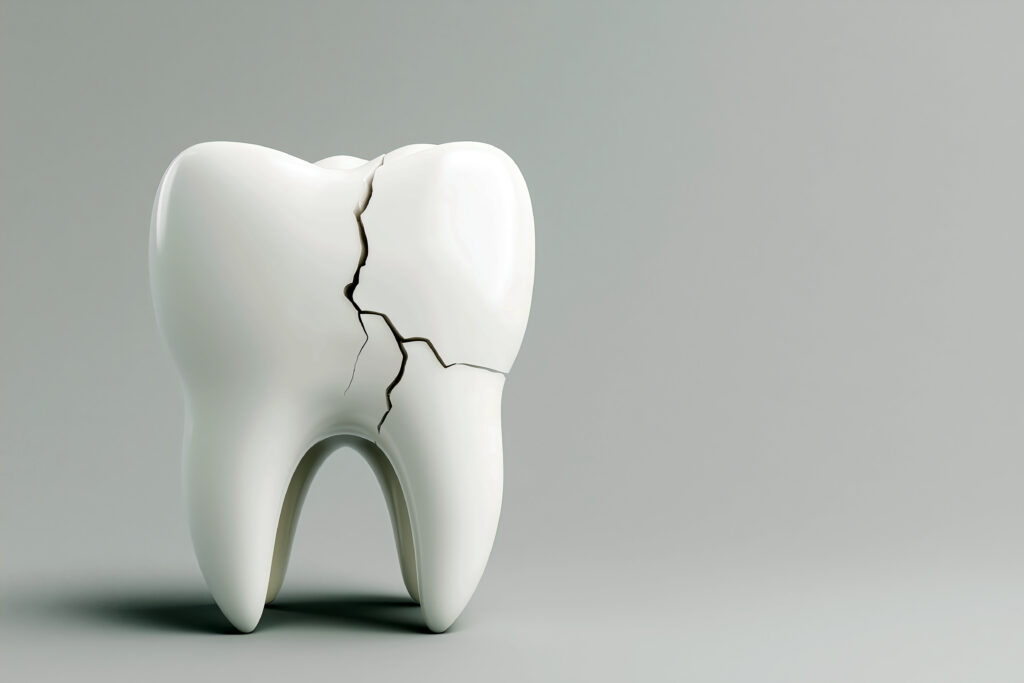
What is a Cracked Tooth?
A cracked tooth is a tooth that has a small split or break in its surface. Sometimes, the crack is so tiny you cannot see it. However, even small cracks can cause pain or other problems. A cracked tooth can happen to anyone, and it is a common dental issue. Early care is important because cracks can get worse over time. If left untreated, a cracked tooth may lead to more serious dental problems.
Common Symptoms of a Cracked Tooth
Many people do not notice a cracked tooth right away. Still, certain signs can help you spot the problem. For example, you may feel pain when you bite or chew. Sometimes, the pain comes and goes. Other symptoms include:
Even if the pain is mild, it is important to pay attention. Over time, the symptoms can get worse if the crack grows.
Causes of Cracked Teeth
There are many reasons why teeth crack. Often, a cracked tooth happens because of:
As you can see, some causes are easy to avoid, while others may be harder to control.
How Dentists Diagnose a Cracked Tooth
Sometimes, a cracked tooth is hard to spot. Dentists use several methods to find cracks. First, they will ask about your symptoms and check your mouth. Next, they may use a special light or dye to see small cracks. X-rays can help, but not all cracks show up on them. Dentists may also ask you to bite down on something to see if it causes pain. With these steps, your dentist can find the crack and decide on the best treatment.
Treatment Options for Cracked Teeth
Treatment for a cracked tooth depends on how deep or wide the crack is. In many cases, early care can save the tooth. Common treatments include:
After treatment, regular check-ups help keep your teeth healthy. If you search for “cracked tooth treatment near me,” you can find local dental care options.
Tips for Prevention and Oral Care
Although not all cracks can be prevented, you can lower your risk. Try these tips:
With good habits, you can help protect your teeth from cracks and other damage.
When to See a Dentist
If you notice pain, sensitivity, or swelling, it is best to see a dentist soon. Early treatment can stop the crack from getting worse. Even if the pain goes away, the crack may still be there. Therefore, do not wait too long to get help. Dentists can check your teeth and suggest the right treatment for your needs.
If you suspect a cracked tooth, consult Dr.Ritee Agarwal for personalized care and treatment.