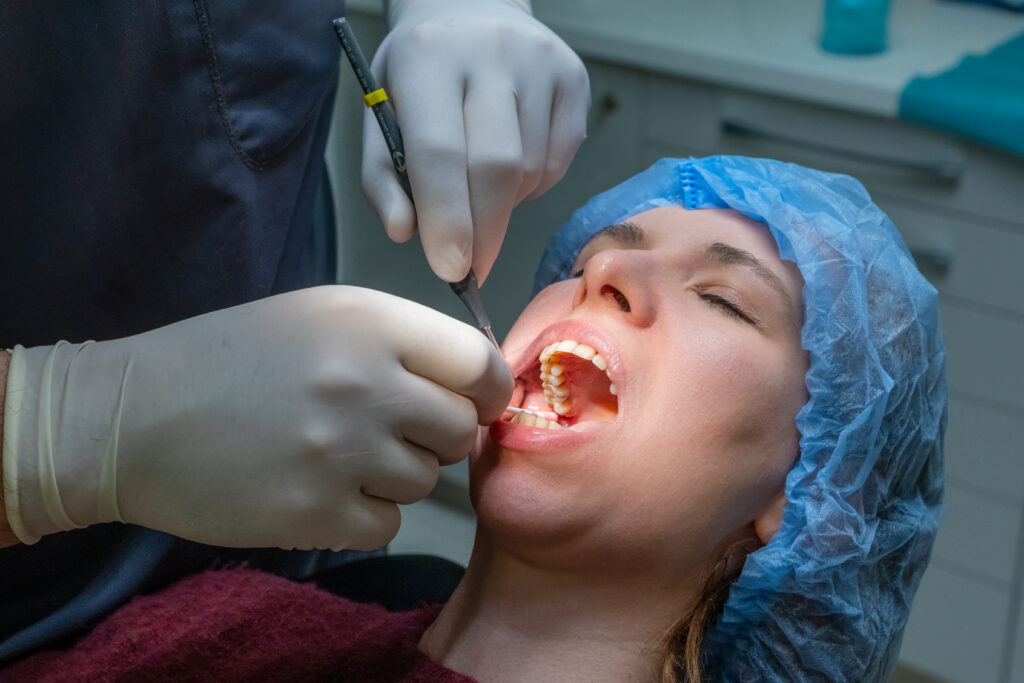
What Are Pit and Fissure Sealants?
Pit and fissure sealants are thin, protective coatings. Dentists apply them to the chewing surfaces of back teeth. Usually, these teeth have tiny grooves and pits. Food and germs can get stuck in these areas. As a result, tooth decay may start. However, sealants help block out these harmful things. The CDC and WHO both recommend dental sealants for children and teens.
How Do Pit and Fissure Sealants Work?
Sealants act like shields for your teeth. First, the dentist cleans the tooth. Then, they paint the sealant onto the grooves. After that, a special light hardens the coating. Because the sealant covers the pits and fissures, food and germs cannot get trapped. Therefore, the risk of cavities drops.
Benefits of Pit and Fissure Sealants
Pit and fissure sealants offer many advantages. For example, they are safe and painless. In addition, they help prevent cavities. Here are some key benefits:
Who Should Get Pit and Fissure Sealants?
Most often, children and teenagers benefit the most. Their new permanent molars are at high risk for decay. However, adults with healthy back teeth and no fillings can also get sealants. Dentists may suggest sealants for people who have deep grooves in their teeth. If you want to prevent cavities, ask your dentist if sealants are right for you.
The Procedure: What to Expect
The process is simple and quick. First, the dentist cleans the tooth. Next, they dry it and place a special gel. After a few seconds, they rinse off the gel. Then, the dentist applies the sealant and uses a blue light to harden it. The whole process takes only a few minutes per tooth. Most people feel no pain or discomfort during the procedure.
Safety and Possible Side Effects
Pit and fissure sealants are very safe. According to the CDC, side effects are rare. Sometimes, a person may have a mild allergy to the sealant material. However, this is uncommon. If you notice any swelling or discomfort, contact your dentist right away. Most people have no problems after getting sealants.
Aftercare and Maintenance Tips
Sealants need little care. However, regular dental check-ups are important. Dentists will check if the sealants are still in place. If a sealant chips or wears away, your dentist can repair it. To keep your teeth healthy, follow these tips:
Prevention of Tooth Decay with Sealants
Pit and fissure sealants are a proven way to prevent cavities. Studies show that dental sealants for children can lower the risk of decay for up to nine years. However, sealants work best when combined with good oral hygiene. For example, brushing, flossing, and regular dental visits all help. If you want to know how long dental sealants last, most last several years. Your dentist can reapply them if needed. In summary, preventing cavities with pit and fissure sealants is easy and effective.
To protect your smile, talk to your dentist about pit and fissure sealants. They can help you decide if sealants are right for you or your child. Protect your child’s teeth from cavities before they start.
Get expert preventive care with pit and fissure sealants by Dr. Ritee Agarwal at Dentohealers Dental Clinic.
Book your consultation today for stronger, healthier smiles.